


Discovering the World of SUP Racing: Tips, Techniques & Events
<script src="https://cdnjs.cloudflare.com/ajax/libs/tiny-slider/2.9.4/min/tiny-slider.js" defer></script>
<script src="https://d2xvgzwm836rzd.cloudfront.net/bloggle-article-min.js" defer></script>
<link rel="stylesheet" href="https://cdnjs.cloudflare.com/ajax/libs/tiny-slider/2.9.4/tiny-slider.css">
<div id="bloggy--article">
  <link href="https://d2xvgzwm836rzd.cloudfront.net/blog_styles--glide-sup.min.css?v=1764702263899" type="text/css" rel="stylesheet">
This article introduces stand up paddle board racing as the competitive side of SUP, explaining how proper paddle technique, balanced stance, drafting, and buoy turns all work together to boost speed and efficiency
It walks readers through the key gear choices—like narrow race boards, lightweight carbon paddles, PFDs, leashes, and hydration setups—then covers race-day safety, course awareness, and smart training strategies.
.The goal is to help paddlers of all levels confidently step into SUP racing, improve performance, and enjoy the challenge of pushing themselves on the water.
Table of contents
<div id="1764701071118" class="bggle--block bggle_text margin_vertical--small     margin-top_none  " section-id="1764701071118">
  <br><p>Stand up paddle board racing—better known as SUP racing—is one of the most exhilarating branches of the paddle boarding world. It blends speed, balance, strategy, and endurance into a sport that attracts competitive athletes, weekend warriors, and paddlers who simply love pushing their limits. Whether you’re gearing up for your first local race or looking to refine your technique for elite-level competition, this guide breaks down everything you need to race smarter, safer, and faster.</p>
</div>
Mastering the Fundamentals: SUP Racing Techniques Every Paddler Needs
Refine Your Paddle Technique
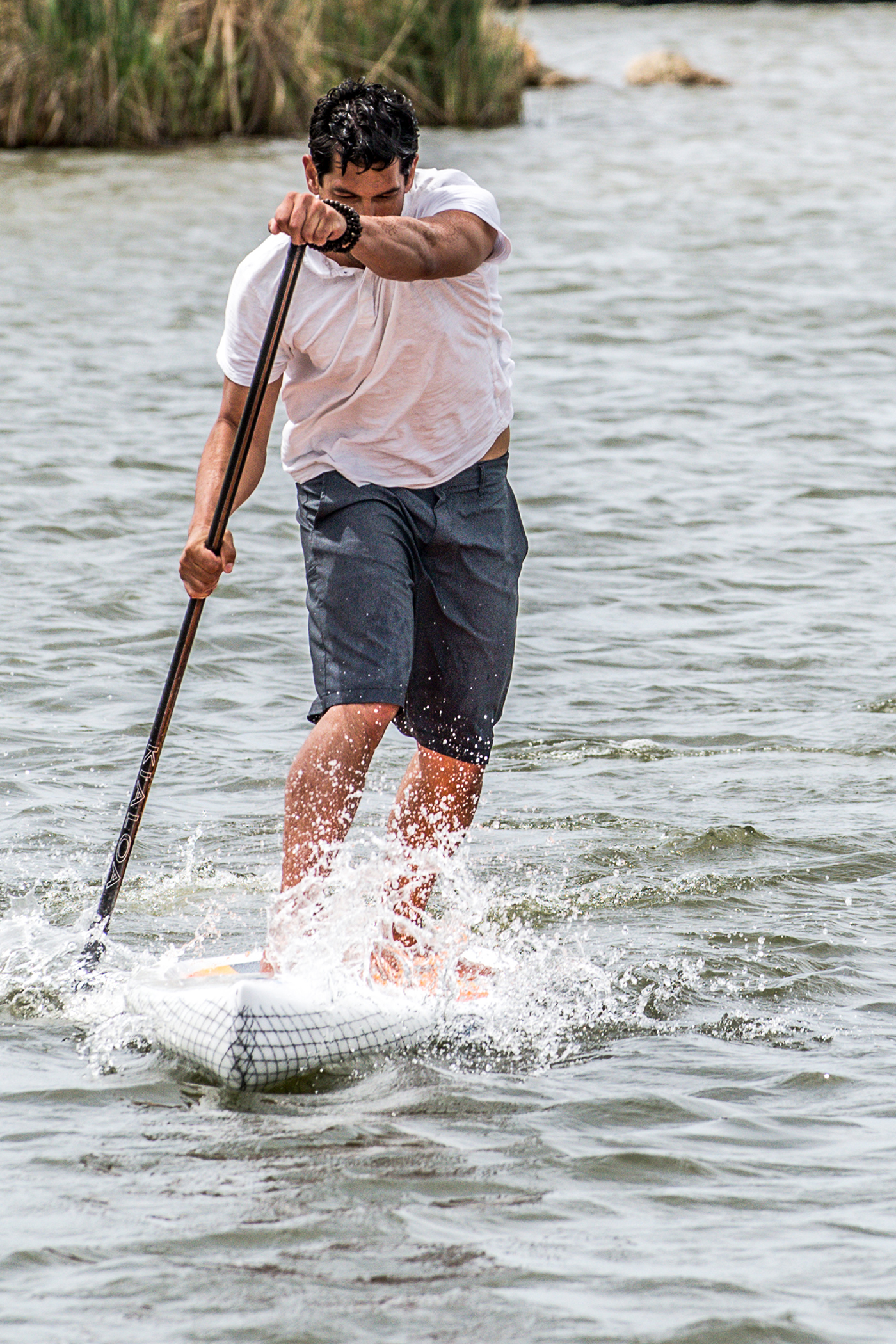
Efficient paddling wins races.
To maximize speed:
-
Keep your arms straighter and use your core for power.
-
Plant your paddle vertically, close to the rail.
-
Focus on quick catch, powerful pull, clean exit.
-
Maintain a high cadence during sprints and a steady rhythm for distance.
        <p class="bloggle_product--title undefined"></p>
        <div class="fd--row jc--center">
          <div class="fd--row bggle--compare">
            <span class="bloggle_product--price-currency undefined"></span>
            <span class="bloggle_product--compare-at-price undefined "></span>
          </div>
          <div class="fd--row bggle--price ">
            <span class="bloggle_product--price-currency undefined"></span>
            <span class="bloggle_product--price undefined "></span>
          </div>
        </div>
      </div>
      <button style="margin-top: auto;" class="button--1636212963117 m--auto">See Product</button>
    </a>
  </div>
        <p class="bloggle_product--title undefined"></p>
        <div class="fd--row jc--center">
          <div class="fd--row bggle--compare">
            <span class="bloggle_product--price-currency undefined"></span>
            <span class="bloggle_product--compare-at-price undefined "></span>
          </div>
          <div class="fd--row bggle--price ">
            <span class="bloggle_product--price-currency undefined"></span>
            <span class="bloggle_product--price undefined "></span>
          </div>
        </div>
      </div>
      <button style="margin-top: auto;" class="button--1636212963117 m--auto">See Product</button>
    </a>
  </div>
  </div>
  <div class="bggle_nav--slider">
  </div>
</div>
Dial in Your Stance and Stability
Your stance affects balance and speed.
-
Feet shoulder-width apart
-
Knees soft and slightly bent
-
Hips stable over the centerline
-
Eyes forward to track water, wind, and competitors
Experienced racers often shuffle forward for more glide or shift back slightly for buoy turns.
Draft Like a Strategist
Drafting is one of the biggest competitive advantages in SUP racing.
To draft effectively:
-
Stay just behind or slightly offset from the board in front of you
-
Keep your paddle clear to avoid contact
-
Conserve up to 30% more energy by reducing drag
Master this, and your race times will drop dramatically.
Dominate the Buoy Turn
The buoy turn can decide an entire race.
Approach with speed, then:
-
Place weight on your inside rail
-
Step back slightly for tighter pivoting
-
Use quick, powerful outside strokes
-
Look where you want the board to go
Smooth turns = huge competitive advantage.
Train with Intention
A strong racer trains like an athlete.
Your weekly schedule should include:
-
Endurance paddles for aerobic strength
-
Interval training for race-pace bursts
-
Technique drills to sharpen efficiency
-
Strength training (core, shoulders, back, legs)
-
Flexibility work to improve stroke reach and prevent injury
Consistency beats talent every time.
Choosing the Right SUP Racing Gear
Race Boards
A true race board gives a major performance edge:
-
Narrower widths for speed
-
Displacement hull for cutting cleanly through water
-
Lightweight construction for acceleration
Most race classes use 12’6” or 14’ lengths, but always check event rules.
High-Performance Paddles
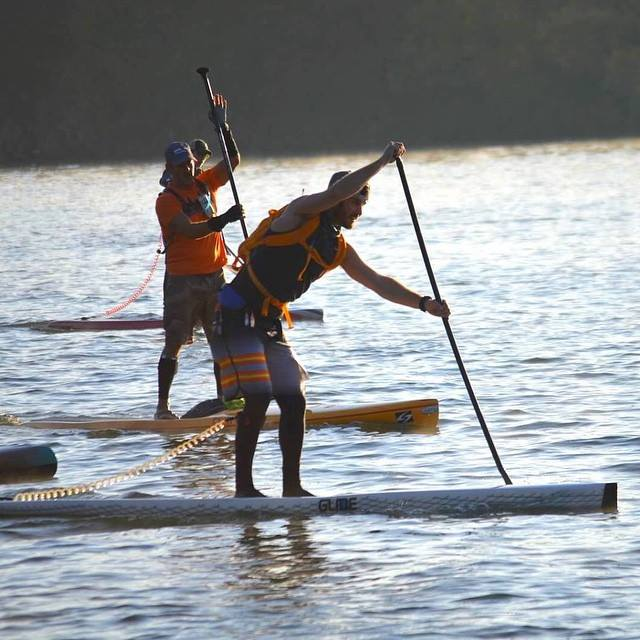
Look for:
-
Carbon fiber shaft (light + stiff)
-
Blade size matched to your cadence
-
Comfortable grip for long distances
A great paddle can save energy and prevent fatigue.
Safety Gear
Mandatory and essential:
-
PFD designed for paddling
-
Quick-release leash (especially in rivers)
-
Whistle for safety compliance
Hydration & Nutrition
Use:
-
Hydration packs
-
Quick-access bottles
-
Energy gels/bars
Hydration issues are a top reason racers fade late in events.
Race Apparel
Choose clothing that is:
-
Quick-drying
-
UV-protective
-
Comfortable in your full range of motion
Sunglasses, hats, and sunscreen are non-negotiable on sunny race days.
Safety Tips for SUP Racers
Know the Course
Study:
-
Maps
-
Buoy layouts
-
Wind forecasts
-
Entry and exit points
If possible, pre-paddle the route.
Watch Weather & Conditions
Wind, tide, chop, and temperature drastically affect performance.
Prepare backups and adjust gear accordingly.
Warm Up Properly
Before racing:
-
Light paddle
-
Dynamic stretches
-
Rotational drills
-
Activate core and shoulders
A proper warm-up prevents injury and improves start speed.
Respect Race Etiquette
-
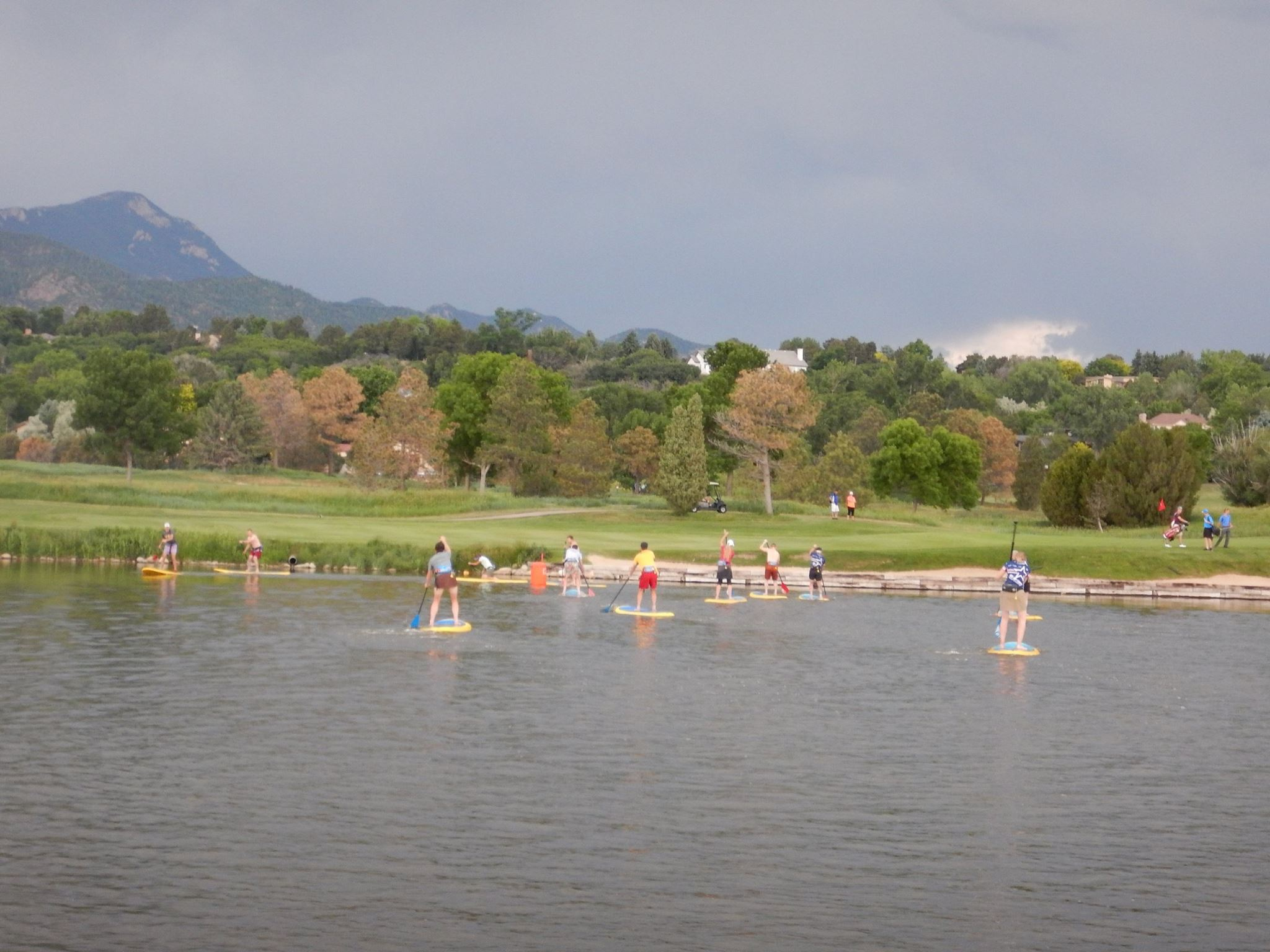
Communicate when passing
-
Avoid cutting off turns
-
Maintain sportsmanship at all times
Listen to Your Body
If you feel heat exhaustion, dizziness, or severe fatigue—stop or slow down. Racing is intense, and safety always comes first.
Conclusion
SUP racing transforms paddle boarding into a fast-paced, competitive, and deeply rewarding challenge. With the right gear, strong paddling technique, thoughtful training, and good race-day preparation, you’ll improve quickly and enjoy the sport even more. Every race—whether it’s your first or your fiftieth—teaches you something new. So gear up, stay consistent, and embrace the exciting world of SUP racing.

  </div>
    <div class="bggle_text--container" section-text-id="text-1764701574011">
      <p class=" bggle-font " style="font-weight: 700; ">Ken Driscoll</p>
      <div style=""> <p><span style="color: #414141;">Former whitewater kayaker and kayak designer. Founder of Glide.</span></p> </div>

    </div>
</div>
FAQs About Stand Up Paddle Board Racing
          <div class="flex fd--column faq--container">
            <h3 class="bggle--question undefined bold">
What type of paddle board is best for SUP racing?
Dedicated race boards—typically 12’6” or 14’ with a narrow, displacement-style hull—are the fastest and most efficient for cutting through water. While beginners can race on an all-around board, upgrading to a race board dramatically improves glide, tracking, and top speed.
          <div class="flex fd--column faq--container">
            <h3 class="bggle--question undefined bold">
Do I need special paddles for SUP racing?
Yes. A carbon fiber paddle is ideal because it’s lighter, stiffer, and more energy-efficient than aluminum or fiberglass paddles. A stiffer paddle transfers more power into each stroke and helps prevent fatigue over longer races.
          <div class="flex fd--column faq--container">
            <h3 class="bggle--question undefined bold">
How can I get faster at SUP racing?
Speed comes from technique and conditioning. Focus on:
A vertical paddle stroke
Engaging your core instead of your arms
Interval and sprint training
Buoy-turn practice
Building stability on narrower boards
Consistent training with a GPS watch to track pace also accelerates improvement.
          <div class="flex fd--column faq--container">
            <h3 class="bggle--question undefined bold">
What should I wear when racing?
Moisture-wicking clothing, quick-dry layers, polarized sunglasses, and a hat for sun protection. In cold water or windy conditions, a wetsuit or drysuit may be required by race organizers. A PFD is mandatory for most events.
          <div class="flex fd--column faq--container">
            <h3 class="bggle--question undefined bold">
How long are SUP races?
SUP races vary widely:
Short distance: 1–3 miles
Technical or surf races: 3–6 miles with buoy turns
Distance races: 6–12+ miles
Ultra-endurance races: 20–100+ miles
Race length determines board choice, hydration strategy, and training approach.
          <div class="flex fd--column faq--container">
            <h3 class="bggle--question undefined bold">
Is drafting allowed in SUP racing?
In most races—yes. Drafting behind another paddler helps conserve energy and is a common competitive strategy. However, some race organizations restrict drafting by gender or board class, so always check the event rules.
          <div class="flex fd--column faq--container">
            <h3 class="bggle--question undefined bold">
Do beginners participate in SUP races?
Absolutely. Many events include recreational or novice classes where paddlers of all skill levels can compete in a friendly, low-pressure environment. It’s one of the best ways to improve quickly.
          <div class="flex fd--column faq--container">
            <h3 class="bggle--question undefined bold">
What safety gear is required for SUP racing?
Typical race requirements include:
PFD (waist-belt or full vest)
Leash
Whistle (in some jurisdictions)
Hydration packs and sun protection are strongly recommended.
          <div class="flex fd--column faq--container">
            <h3 class="bggle--question undefined bold">
How do I prepare for my first SUP race?
Start by:
Practicing buoy turns
Training 2–4 times per week
Doing both long paddles and intervals
Trying race-pace drills
Getting comfortable paddling in a crowd
Also, show up early on race day to warm up and study the course.
          <div class="flex fd--column faq--container">
            <h3 class="bggle--question undefined bold">
What is the biggest mistake new SUP racers make?
Paddling only with their arms. Power comes from the core and back, not the biceps. Poor technique leads to early fatigue, slower times, and increased injury risk.
</div>
  <div class="bggle--slider-blog" section-id="1764701593172">
    <div class="bggle_blog-post-container">

     <a class="bggle_blog-post-url" href="/blogs/expert-advice/proper-sup-paddle-stroke">
        <img class="bggle_blog-post-image lazybloggle" style="height: 200px;" src="https://cdn.shopify.com/s/files/1/0309/9257/files/img-1760118608022_600x_6cc6626d-48a3-4a9c-8075-6a98ea4517c3_550x.jpg?v=1764701604" alt="paddling a paddle board">
        <p class="bggle_blog-post-title ">How to Master the Proper SUP  Paddle Stroke</p>

  <button class="bggle_blog-post-button mr--auto button--1636212963117">
    Read more
  </button>
     </a>
     </div>
<a class="bggle_blog-post-url" href="/blogs/expert-advice/how-to-go-faster-on-a-stand-up-paddle-board">
<img class="bggle_blog-post-image lazybloggle" style="height: 200px;" src="https://cdn.shopify.com/s/files/1/0309/9257/files/img-1759778057748_600x_b31e7367-e6cb-47fd-8f37-55f217082310_550x.jpg?v=1764701615" alt="man paddling a stand up paddle board">
<p class="bggle_blog-post-title ">🏄♂️ How to Go Faster on a Stand Up Paddle Board (2025 Guide)</p>
<button class="bggle_blog-post-button mr--auto button--1636212963117">
Read more
</button>
</a>
</div>
     <a class="bggle_blog-post-url" href="/blogs/expert-advice/sup-training-for-cardio-fitness">
        <img class="bggle_blog-post-image lazybloggle" style="height: 200px;" src="https://cdn.shopify.com/s/files/1/0309/9257/files/img-1759774088096_600x_614147a2-a558-4c50-bff3-ed1806d2d6b2_550x.jpg?v=1764701665" alt="woman paddling paddle board">
        <p class="bggle_blog-post-title ">SUP Training for Cardio Fitness: Paddle Your Way to a Stronger Heart</p>

  <button class="bggle_blog-post-button mr--auto button--1636212963117">
    Read more
  </button>
     </a>
     </div>
  </div>
</div>
<script type="text/javascript" section-id="1764701593172" slider-script>
  window.sliderConfig1764701593172 = function() {
    var numberSlides = document.querySelectorAll(".bggle--slider-blog[section-id='1764701593172'] .bggle_blog-post-container");
    if (numberSlides.length > 0) {
      window.slider1764701593172 = tns({
        container: '.bggle--slider-blog[section-id="1764701593172"]',
        items: 1,
        slideBy: 'page',
        autoplay: true,
        gutter: 20,
        navAsThumbnails: false,
        navPosition: "bottom",
        arrowKeys: true,
        autoplayButton: false,
        autoplayButtonOutput: false,
        mouseDrag: true,
        autoplay: false,
        responsive: {
            768: {
              items: 2
            },
            1025: {
              items: 2
            }
          }
      });
    }
  };

  document.addEventListener('init-slider-1764701593172', window.sliderConfig1764701593172)
</script><div id="1764701717428" class="bggle_video bggle--block flex jc--flex-start text__center  margin_vertical--medium    margin-top_none  " section-id="1764701717428">
    <div class="bggle--youtube-container">
      <iframe class="bggle--youtube-video" src="https://www.youtube.com/embed/wAUFCGPhQkM" title="YouTube video player" frameborder="0" autoplay="false" allow="accelerometer; clipboard-write; encrypted-media; gyroscope; picture-in-picture" allowfullscreen></iframe>
    </div>
  </div>
</div>


Paddle Board Tips & Updates

