
Paddle Board Safety Tips: Smart Ways to Prevent Injuries
Most SUP injuries come from avoidable issues: poor paddle length, long/heavy strokes, stiff posture, and missing safety gear.
Fix your setup (stable board, light mid-small blade, proper length), wear a PFD and the right leash, and keep technique simple— clean catch, torso-driven power, exit at your feet.
Warm up briefly, do two short strength/mobility sessions weekly, and build volume by ~10% at a time.
Plan routes with bail-outs, watch wind/tide, and hydrate/sun-protect every session.
With these habits, you’ll paddle longer with fewer aches, stay confident in changing conditions, and keep the sport fun for years.
Table of contents
Stand up paddle boarding (SUP) is low-impact, full-body, and seriously fun—but like any sport, small mistakes can lead to aches, strains, or scary moments on the water. The good news: most issues are preventable with the right setup, simple technique fixes, and a few safety habits. This guide keeps it practical so you can paddle more often, recover faster, and stay confident in any conditions. Read on for our paddle board safety tips.
What actually goes wrong (and why)
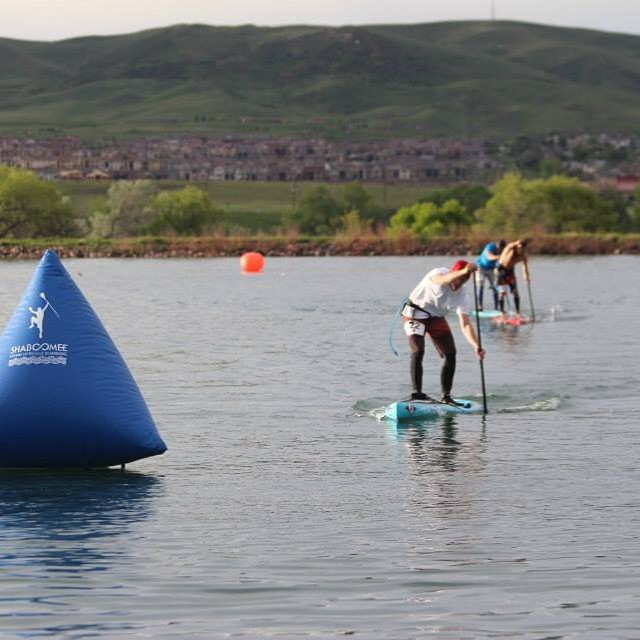
Common SUP complaints include sore lower backs and shoulders, wrist or elbow irritation, ankle tweaks from awkward falls, sun overexposure, and dehydration. The usual culprits: poor paddle length, pulling past the feet, stiff posture, skipping warmups, not using a leash/PFD, and paddling into conditions that are a notch above your skills. Awareness is step one; small changes solve most of it.
Gear that keeps you safe (and comfy)
Board: stable first, fast later
-
Choose the narrowest/stablest board you can stand on for an hour without fighting it. Stability preserves posture, protects the back, and reduces swim time.
-
Inflatable vs hard: iSUPs are durable and forgiving; hard boards feel more responsive. Both are safe when matched to your waters and skill.
Paddle: the easiest injury fix
-
Length baseline: ~6–8 inches (15–20 cm) above height. Too long = shoulder shrug + low-back torque. Too short = shallow, splashy catch.
-
Pick a light paddle with a mid-small blade. It protects elbows/shoulders and supports clean cadence.
Leash + PFD: your two non-negotiables
-
Leash keeps your board from becoming a wind-blown runaway. Use: coiled (flat/open water), straight (surf), quick-release belt (rivers/current).
-
USCG-approved PFD: belt or vest style—wear it. It’s law in many places and a literal lifesaver.
Sun + hydration kit
-
Broad-spectrum sunscreen, hat, UPF top, polarized glasses, and water/electrolytes on deck. Heat stress and sunburn are “silent injuries.”
-
Technique that protects your body
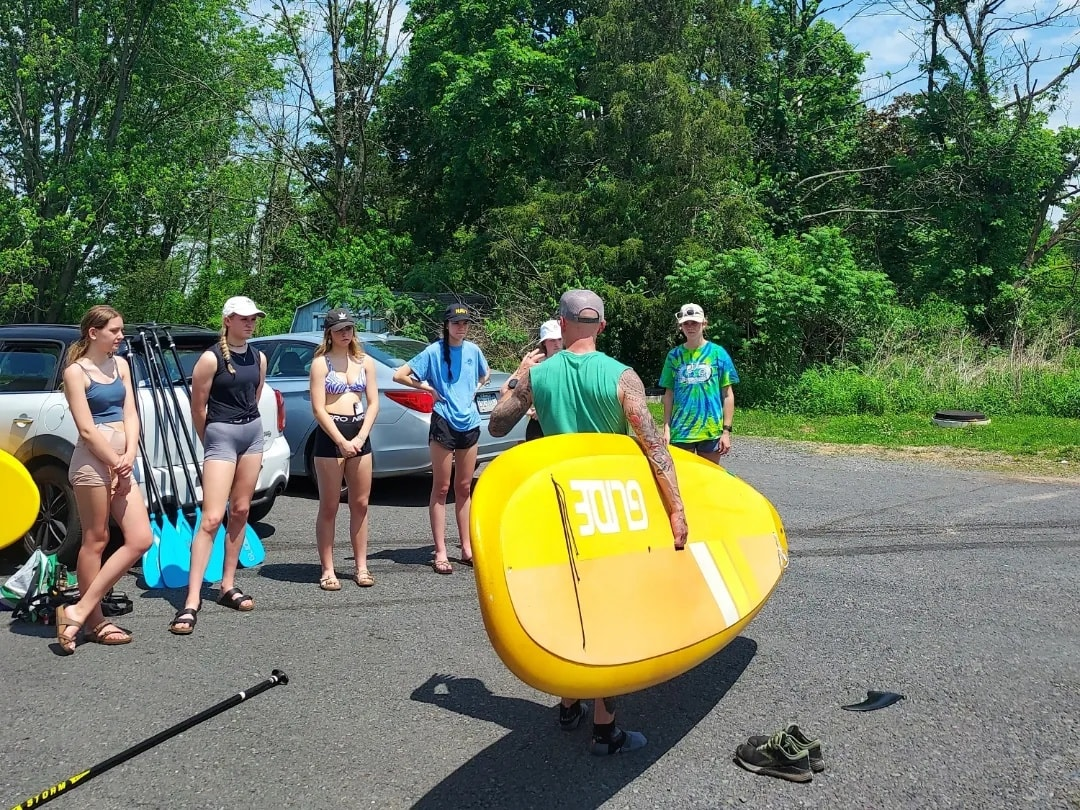
1) Set your stance
Feet hip- to shoulder-width over the handle, knees soft, hips stacked over heels, eyes on the horizon. A relaxed grip prevents forearm and elbow flare-ups.
2) Nail the catch
Bury the blade fully at your toes with a vertical shaft, then rotate from the torso, not just the arms. This spares shoulders and powers the stroke efficiently.
3) Exit at your feet
Pulling past your heels twists the board (yaw) and loads the low back. Short, clean power phase = safer, faster.
4) Keep cadence smooth
Slightly quicker, smaller strokes are easier on joints than slow, heaving pulls—especially in chop.
5) Turn with mechanics, not muscles
Use sweep strokes and step-back pivots (with the blade planted) for controlled turns. Plant first, then move your feet—your paddle becomes a third point of balance.
Build a “safety stack” before every session
Check conditions
-
Wind speed/direction, gusts, storms, tide/current, water temp, daylight. Go upwind first; avoid lee shores.
-
If it looks marginal for your skills, switch to sheltered water or shorten the plan.
Quick gear scan
-
Fin tight, leash velcro clean, paddle clamp snug, iSUP at recommended PSI, PFD on.
-
Pack whistle/light if near dawn/dusk; tell someone your route and ETA.
Route with bail-outs
-
Identify 1–2 easy exit points alongshore. Keep first sessions short and close.
Warm up in five minutes (pays off all day)
-
Dynamic mobility (2 min): hip circles, thoracic rotations, arm sweeps.
-
Core activation (2 min): dead bug or plank variations.
-
Patterning (1 min): 10 slow “air strokes” with vertical shaft, then 10 quiet entries on the water.
Strength and mobility that prevent pain
-
Anti-rotation core: Pallof press, dead bug.
-
Hinge + pull: RDLs/hip hinges, rows or pull-downs for shoulder health.
-
Single-leg balance: toe-touches, step-downs.
-
T-spine mobility: open-books, thread-the-needle.
Two sessions/week, 20–30 minutes, is enough to change how you feel on the board.
Recovery that actually works
-
Cooldown 3–5 min: easy paddling, shoulder and hip openers.
-
Hydrate + protein within an hour.
-
Ice/compression if something’s flared, and prioritize sleep (7–9 hours).
-
Soreness beyond 48–72 hours, numbness, or sharp joint pain? Back off and consult a pro.
Progression: how to level up without getting hurt
-
10% rule: add time or distance gradually (not both in the same week).
-
Keep one “easy skills” day (balance drills, step-backs) and one “fitness” day (tempo/intervals).
-
Try new venues in good weather first, then add wind/chop as you gain control.
Situational safety (by venue)
Flatwater/lakes: Watch afternoon thermals and boat wake. Wear high-viz and keep a shoreline track.
Rivers/current: Quick-release belt leash only, know eddies/strainers, paddle with a partner.
Ocean: Check swell period/size, wind direction, rips, and shore break timing; never turn your back on the surf zone.
-
Marinas/traffic: Be visible; yield to bigger craft; avoid blind corners.\
Final Thoughts on Paddle Board Safety Tips
Safe paddling isn’t complicated; it’s consistent. Choose stable gear, wear your PFD and leash, and keep your technique tidy. Add small progress each week, and listen when your body asks for recovery. The goal isn’t just a single epic day—it’s a lifetime of easy, joyful miles.
Do I really need a PFD on calm lakes?
Yes. Conditions change fast, and many areas legally require one. Belt or vest—wear it.
Why does my low back get sore?
Likely long pulls past your feet or a paddle that’s too long. Exit earlier and shorten the paddle slightly.
Are inflatables safe?
Absolutely—when inflated to recommended PSI and paired with the right fin and leash for your venue.
What’s the safest leash type?
Flat/open water: coiled. Rivers/current: quick-release belt. Surf: straight. Match the venue.
How long should I paddle as a beginner?
Start with 20–30 minutes in sheltered water. Add 5–10 minutes as technique and stamina improve.
My shoulders get tired—what’s wrong?
You’re arm-paddling. Bury the blade at your toes with a vertical shaft and rotate from the torso.
What if wind picks up mid-paddle?
Drop to your knees for stability, angle slightly into the wind, and head for your closest safe exit.
Is foam rolling worth it?
It helps post-session stiffness. Prioritize sleep, hydration, and gentle mobility first.
Can kids use the same safety rules?
Yes—plus properly sized PFDs, smaller paddles, and shorter, closer-to-shore sessions.
When should I skip paddling?
Thunderstorms, whitecaps beyond your comfort, poor visibility, or when you’re injured/fatigued. There’s always another day.
FAQs

Scott Knorp
Serial entrepreneur, passionate paddler, and co-owner of Glide.


Sign up for paddleboard deals and tips!

