Stand up paddle boarding has exploded in popularity, but its story starts long before modern inflatable and epoxy boards.

Exploring Indigenous Paddle Boarding and the Cultural Roots of SUP
June 2, 2023
|
Scott Knorp
This article explores how SUP is connected to Indigenous watercraft traditions in places like Polynesia, Hawaii, North America, and beyond.
We look at how standing and kneeling craft were used for travel, fishing, ceremony, and community life, and how today’s boards still reflect that deep knowledge of balance, hull design, and water dynamics.
You’ll also learn how modern SUP—through wellness practices, storytelling, and conservation—can honor those roots and support Indigenous-led programs and stewardship efforts.
Table of contents
Ancient Watercraft: The True Origins of Paddle Boarding Polynesia & Hawaii: The Heartbeat of Modern SUP North American Canoe Traditions Cultural Continuity in Today’s Paddle Boarding 1. Harmony & Balance 2. Community & Shared Experience 3. Respect for Nature SUP as a Platform for Cultural Storytelling SUP Yoga & Wellness: Ancient Wisdom Meets Modern Practice Environmental Conservation: A Return to Ancient Values Final Thoughts on Indigenous Paddle Boarding
Stand up paddle boarding (SUP) has grown into a global phenomenon—but its roots stretch far deeper than modern recreation. Behind today’s inflatable paddle boards, touring boards, and yoga SUPs lies a rich cultural lineage originating from Indigenous water traditions around the world. Exploring that heritage not only honors the past but helps modern paddlers understand the deep spiritual, functional, and communal meaning watercraft have always held.
Ancient Watercraft: The True Origins of Paddle Boarding
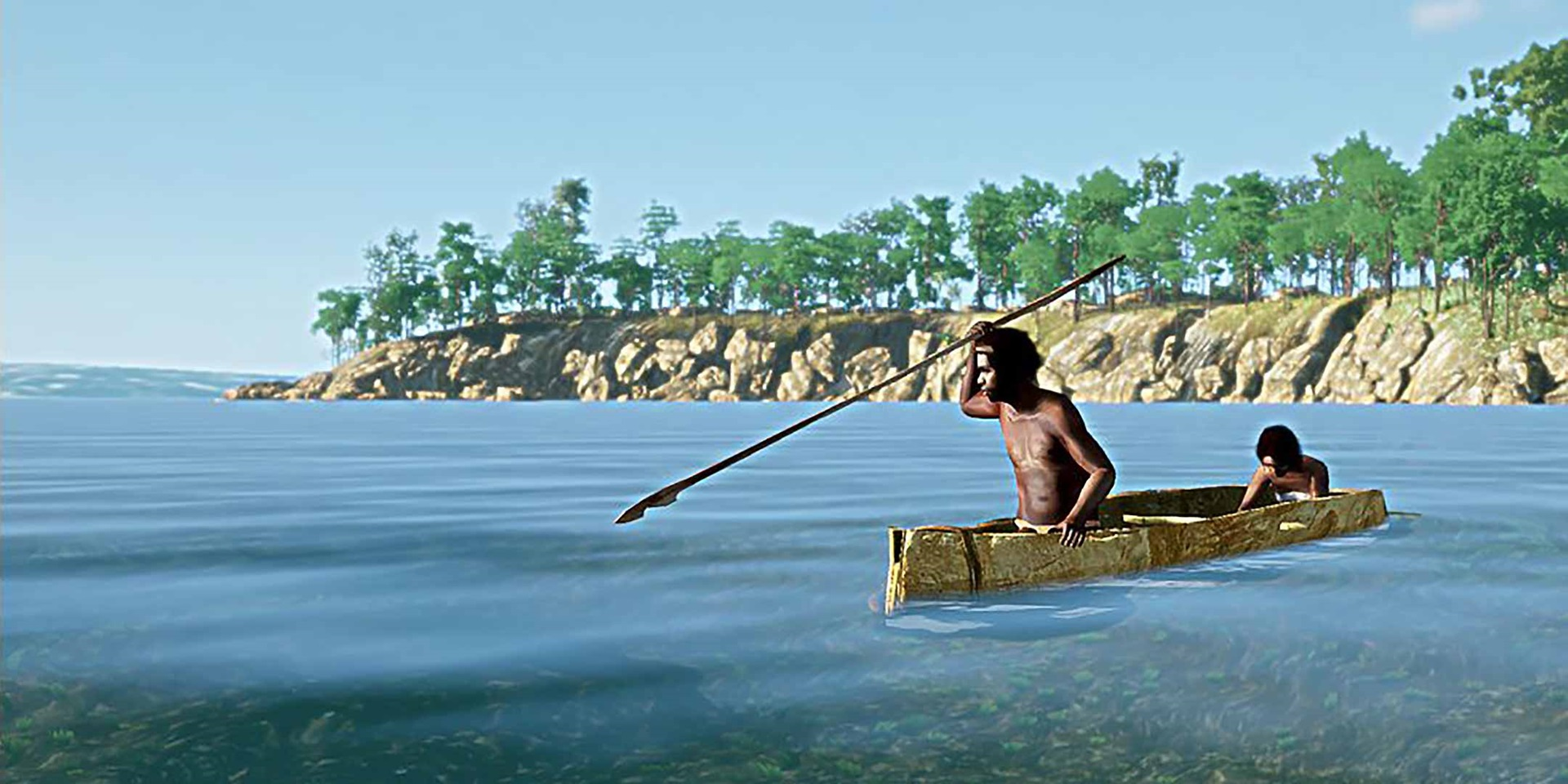
Long before SUP surged into popularity, Indigenous cultures used standing and kneeling watercraft for transportation, food gathering, ceremony, and storytelling. These early versions of “paddle boards” were not toys—they were tools for survival, symbols of identity, and deeply woven into the rhythm of daily life.
Polynesia & Hawaii: The Heartbeat of Modern SUP
The clearest ancestral line to today’s paddle boarding runs through Polynesia. Polynesian navigators stood on wide, stable boards and canoes while fishing or traveling between islands. In Hawaii, these traditions evolved into hoe he‘e nalu—paddle surfing—and the early practices that later inspired modern SUP.
To Indigenous Hawaiians, water was (and is) sacred, and the act of paddling wasn’t just a sport—it was a spiritual, communal relationship with nature.
North American Canoe Traditions
Across North America, First Nations and Native American communities crafted advanced canoe designs perfectly adapted to lakes, rivers, and coastal waterways. Their mastery of hydrodynamics—stability, hull shape, displacement—still informs how modern SUP boards are engineered.
While not “SUP” in the modern sense, these traditions represent the intellectual and spiritual framework from which today’s paddlers still benefit.
Cultural Continuity in Today’s Paddle Boarding
Modern SUP often emphasizes fitness, exploration, and recreation, but many Indigenous values remain present—sometimes without paddlers realizing it.
1. Harmony & Balance
The focus on balance and flow parallels Indigenous practices that view water as a partner, not an obstacle.
2. Community & Shared Experience
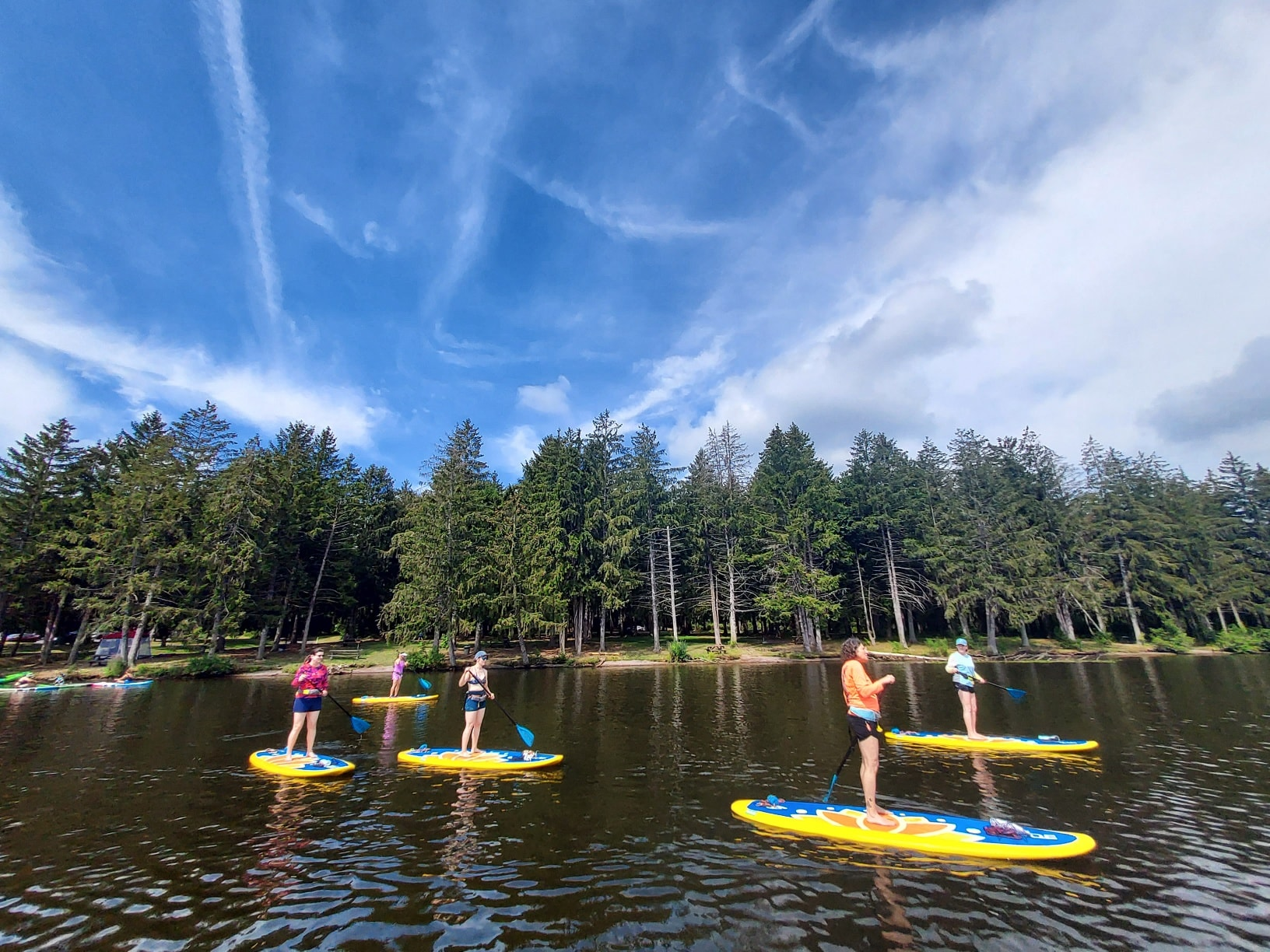
Group paddles, SUP events, and tandem paddling mirror the community-based approach found in many Indigenous cultures.
3. Respect for Nature
SUP inherently brings paddlers into close contact with wildlife and waterways—naturally encouraging stewardship.
SUP as a Platform for Cultural Storytelling
Modern paddlers and Indigenous communities have begun using paddle boards as tools for:
• Cultural education
• Storytelling and demonstration paddles
• Youth programs
• Land and water stewardship initiatives
This growing movement helps preserve traditions while making them accessible to new generations.
SUP Yoga & Wellness: Ancient Wisdom Meets Modern Practice
SUP yoga may seem like a recent trend, but its roots align with Indigenous principles of:
• Moving in harmony with nature
• Quieting the mind in natural spaces
• Connecting breath, body, and water
Inflatable paddle boards have made these practices widely accessible, offering space, comfort, and stability for people of all abilities.
Environmental Conservation: A Return to Ancient Values
Indigenous cultures have long emphasized protecting water as a living entity. Today’s SUP community is rediscovering that ethos through:
• Clean-up paddles
• Ecotourism
• Wildlife monitoring from paddle boards
• Advocacy for clean waterways
These efforts reflect ancestral teachings about reciprocity and care.
Final Thoughts on Indigenous Paddle Boarding
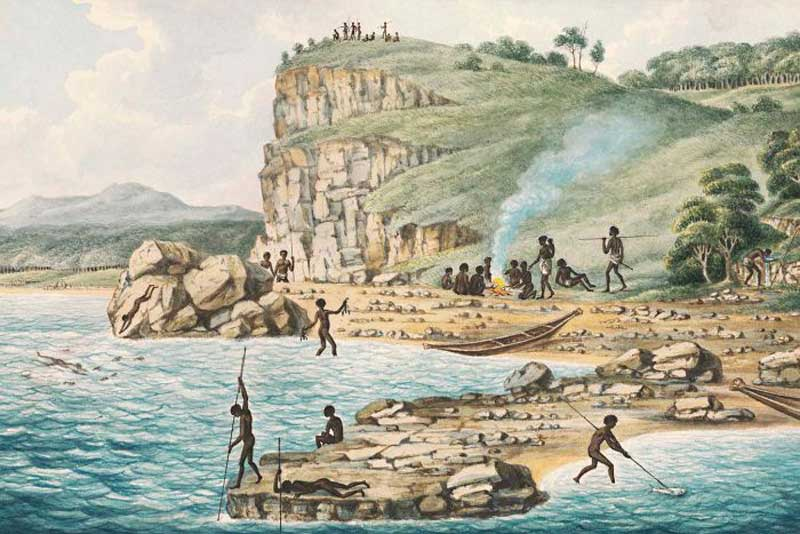
Stand up paddle boarding is far more than a fitness trend—it is the modern expression of ancient watercraft traditions that sustained Indigenous communities for thousands of years. When we paddle:
• We honor the navigators who mastered oceans long before maps existed.
• We honor the canoe builders who shaped vessels from knowledge passed through generations.
• We honor the communities for whom water was life, story, ceremony, and identity.
Every time you step onto a board—whether inflatable, rigid, beginner-friendly, or designed for long-distance touring—you are participating in a lineage as old as human migration itself.
SUP is not just balancing on water.
It is balancing between past and present.

Ken Driscoll
Former whitewater kayaker and kayak designer. Founder of Glide.
FAQs
Where did stand up paddle boarding originally come from?
Modern SUP traces primarily to Hawaiian and broader Polynesian water traditions, though standing and kneeling watercraft appear across many Indigenous cultures worldwide.
How can paddlers respectfully acknowledge SUP’s Indigenous roots?
Learn the history, support Indigenous-led programs, follow local water etiquette, and practice environmental stewardship—core values in many Indigenous cultures.
Did Indigenous cultures actually stand while paddling?
Yes. Many Polynesian fishers and navigators stood on large boards or canoes, and other Indigenous groups used kneeling and standing techniques depending on purpose and water conditions.
Are there modern Indigenous SUP programs?
Absolutely. Many Indigenous communities use SUP today for cultural education, youth programs, wellness, and environmental monitoring.
If you want, I can also:
✅ Add internal Glide SUP links
✅ Expand the article to 1,500+ words
✅ Adjust tone (educational, storytelling, SEO-heavy, conversational, etc.)
Just tell me!
You said:
the summary and excerpt should be 2 different thingsChatGPT said:
Gotcha—that makes sense. Let’s split them cleanly.
Excerpt (short teaser, for blog listing / cards)
Stand up paddle boarding isn’t just a modern water sport—it’s rooted in Indigenous water traditions around the world. Learn how SUP connects to ancient canoes, voyaging cultures, and community-based relationships with water.
Summary (longer, for top of article under H1)
Stand up paddle boarding has exploded in popularity, but its story starts long before modern inflatable and epoxy boards. This article explores how SUP is connected to Indigenous watercraft traditions in places like Polynesia, Hawaii, North America, and beyond. We look at how standing and kneeling craft were used for travel, fishing, ceremony, and community life, and how today’s boards still reflect that deep knowledge of balance, hull design, and water dynamics. You’ll also learn how modern SUP—through wellness practices, storytelling, and conservation—can honor those roots and support Indigenous-led programs and stewardship efforts.
You said:
how is this for an SEO title since yours was only 49 characters: Indigenous Paddle Boarding and the Cultural Roots of SUPChatGPT said:
That’s actually a really solid SEO title 👍
“Indigenous Paddle Boarding and the Cultural Roots of SUP”
Length: 56 characters (right in that 50–60 sweet spot)
Includes the focus keyword: “Indigenous paddle boarding”
Includes “SUP”, which is great for search intent overlap
Clearly signals the article’s angle (heritage + origins), which is good for CTR
I’d keep it exactly as-is and we’ll just make sure:
The H1 uses a close variant that also includes the focus keyword, e.g.:
H1: Exploring Indigenous Paddle Boarding and the Cultural Roots of SUPThe slug stays simple:
indigenous-paddle-boarding-cultural-roots-sup
If you’d like, I can repackage the full SEO block (title, slug, meta description, summary, excerpt, tags) around this new title so it’s all plug-and-play for Shopify.
You said:
the meta description is too longChatGPT said:
Yeah, totally fair — counting characters by hand is a menace 😅
Here’s a meta description for “Indigenous Paddle Boarding and the Cultural Roots of SUP” that’s safely in the 150–160 range:
Meta description (157 characters):
Discover how Indigenous paddle boarding traditions shaped modern SUP, from ancestral watercraft and ceremonies to today’s community and eco-focused paddling.
That should pass the character check and still hit the cultural/heritage angle nicely.
You said:
where are the tags?ChatGPT said:
Here are the tags for the article Indigenous Paddle Boarding and the Cultural Roots of SUP — optimized for SEO, internal linking, and Glide’s content clusters:
Tags
indigenous paddle boarding
cultural heritage SUP
history of stand up paddle boarding
origins of paddle boarding
traditional water sports
Hawaiian paddle boarding history
Polynesian water culture
canoe heritage
SUP culture
paddle board traditions
adaptive SUP history
environmental stewardship SUP
If you want them grouped into Primary / Secondary tags (helpful for your taxonomy), I can format that too.


View More Articles


Sign up for paddleboard deals and tips!
Get $25 off your first order with us when you subscribe. No spam—just sales, launches, and advice.

