
What Type of Paddle Board is the Most Stable?
The most stable paddle boards feature wide planing hulls, rigid construction, and balanced fin setups.
Whether you’re a beginner learning the ropes, a yogi finding your flow, or an angler searching for the perfect cast, stability begins with the right board design.
Glide’s Retro, Lotus, and O2 Angler boards deliver the perfect blend of comfort, balance, and durability — helping every paddler feel confident on the water.
Table of contents
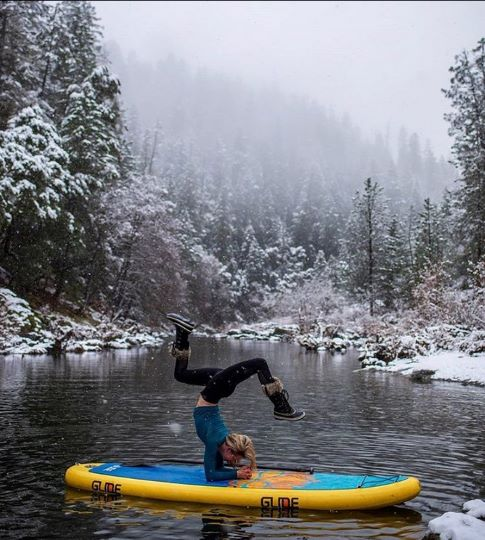
When you’re choosing your first paddle board, or looking for one that feels rock-solid underfoot, stability is everything. A stable SUP gives you confidence, reduces fatigue, and makes your time on the water more enjoyable. But with so many shapes, sizes, and materials available, figuring out which type of paddle board is the most stable can get confusing.
This guide breaks it all down — from width and construction to fins, hulls, and activity types — so you can find the perfect match for your paddling style and skill level.
1. Why Paddle Board Stability Matters
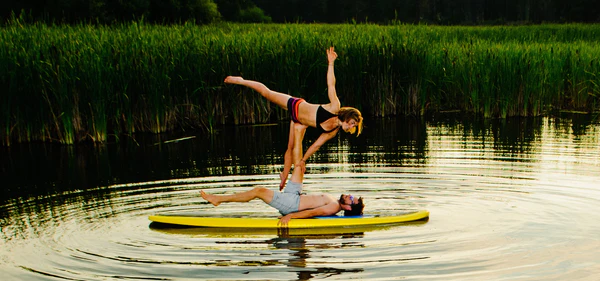
Stability affects more than just how easy it is to stay upright. It also influences your comfort, efficiency, and safety on the water. A stable board helps beginners learn faster, allows yoga paddlers to move with confidence, and keeps anglers steady while casting.
Even experienced paddlers appreciate extra stability in choppy conditions or when carrying gear or passengers. In short, a stable board means more fun and less frustration.
2. Board Width: The Biggest Factor in Stability
When it comes to stability, width is king. A wider board provides more surface area, distributing your weight evenly and making balance easier.
-
Boards under 30 inches wide – Built for speed and agility, not for stability. These are best for racing or experienced paddlers.
-
Boards 31–34 inches wide – The sweet spot for most paddlers. Great for all-around use, yoga, or touring with extra gear.
-
Boards over 35 inches wide – Extremely stable and ideal for beginners, heavier paddlers, or SUP fishing.
For most people, a board around 33 to 34 inches wide offers the perfect balance between stability and performance.
3. Thickness and Rigidity
Thickness contributes to both buoyancy and stiffness. Most inflatable paddle boards range between 4 and 6 inches thick.
-
4-inch boards tend to sit lower in the water, offering a more connected feel but less buoyancy for heavier riders.
-
6-inch boards provide more volume, staying rigid under weight and reducing flex in the center — especially important for stability and efficiency.
Glide’s AeroMatrix™ woven drop-stitch core creates a 6-inch-thick structure that feels impressively firm underfoot, while the ThermoFuse™ triple-layer rails prevent flex, even in rough water.
4. Hull Shape: Planing vs. Displacement
Your board’s hull (or bottom shape) determines how it moves through the water.
-
Planing Hull: Flat and wide, these boards ride on top of the water. They’re the most stable type and perfect for beginners, yoga, and recreational use.
-
Displacement Hull: With a pointed nose that cuts through the water, these boards are faster and track straighter — but they’re less forgiving and require better balance.
If your main goal is stability, stick with a planing-hull SUP like the Glide Retro or Glide Lotus, both engineered to feel solid and predictable.
5. Length and Volume
While width has the biggest impact on stability, length also plays a role.
-
Shorter boards (under 10 feet) are easier to turn but feel less steady.
-
Longer boards (10’6”–12’) provide glide and directional stability, making them perfect for beginners or touring paddlers.
Volume (measured in liters) combines length, width, and thickness. A higher-volume board displaces more water and supports more weight, increasing stability.
6. Construction Type: Inflatable vs. Hard Boards
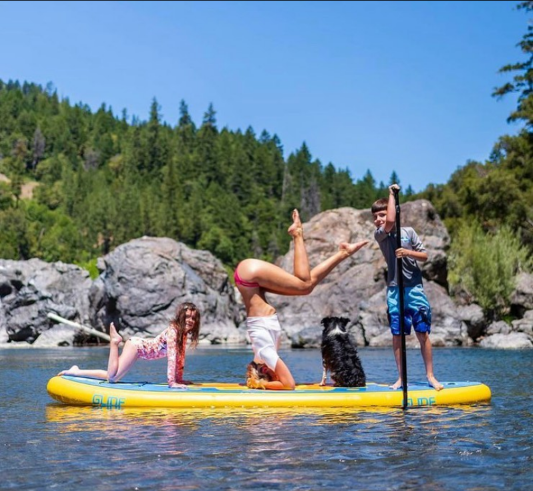
Inflatable SUPs have come a long way. Modern woven drop-stitch and multi-layer PVC designs make them incredibly rigid and stable — often rivaling hard boards.
-
Inflatable SUPs – More forgiving, lightweight, and durable. They tend to sit higher on the water, adding a sense of security for beginners.
-
Hard Boards – Offer precision and performance but can feel less stable in side-to-side motion unless wider.
For overall comfort and portability, a premium inflatable SUP is the best choice for most paddlers seeking stability.
7. Fin Setup and Tracking
Fins play a key role in keeping your board straight and balanced.
-
Single Center Fin – Great for flatwater paddling and general stability.
-
2+1 Setup (Center Fin + Side Fins) – Adds lateral stability, ideal for choppy water or SUP surfing.
-
Tri-Fin System – Offers excellent control but can increase drag.
For beginners, a removable single fin or 2+1 setup is ideal — stable, versatile, and easy to maintain.
8. Activity Type and Board Match
Different SUP activities call for different levels of stability. Here’s a quick guide:
-
Beginners: All-around inflatable board (32–34” wide) — like the Glide Retro.
-
Yoga: Extra-wide planing-hull board (up to 36”) — Glide Lotus is perfect.
-
Fishing: High-capacity, wide platform board (35–38”) — Glide O2 Angler 3.0.
-
Touring: Slightly narrower (30–32”) for speed but still stable on flat water.
-
Surfing: Shorter (under 10’) and narrower — less stable, more agile.
9. Board Design Details That Improve Stability
Small design touches can have a big effect:
-
Deck pad texture: A grippy, EVA deck pad keeps your stance secure.
-
Board rails: Rounded rails are forgiving; sharp rails track faster but can tip more easily.
-
Tail width: Wider tails add back-end stability, ideal for yoga or fishing setups.
10. Tips for Building Balance and Confidence
Even the most stable board won’t help if you’re stiff and tense. Use these techniques to improve your balance:
-
Start on calm, flat water.
-
Keep your knees slightly bent and your weight centered.
-
Look forward, not down at your feet.
-
Engage your core, not just your arms, when paddling.
-
Practice regularly — your body learns faster than you think.
11. Choosing the Most Stable Glide Board
If stability is your top priority, consider one of these Glide favorites:
-
Retro 10’6” All-Around SUP: Wide planing hull, excellent rigidity, great for families or beginners.
-
Lotus 10’ Yoga SUP: Extra width and soft deck pad designed for comfort and balance.
-
O2 Angler 3.0: High-capacity platform with unmatched stability for fishing or adventure paddling.
Each of these boards combines stability with premium materials and a 5-year warranty — proof that durability and performance go hand in hand.
Numbered Recap: What Makes a Paddle Board Stable
-
Choose a board width of 32–36 inches.
-
Opt for a 6-inch-thick inflatable SUP for extra rigidity.
-
Pick a planing-hull design for maximum stability.
-
Use a removable fin setup that matches your water conditions.
-
Match your board style to your activity for the best results.

Ken Driscoll
Former whitewater kayaker and kayak designer. Founder of Glide.
FAQs
What is the most stable type of paddle board for beginners?
An inflatable, all-around SUP with a wide planing hull (around 33”) offers the best balance and confidence for new paddlers.
Are inflatable paddle boards more stable than hard boards?
Yes, inflatables tend to feel more stable due to their thickness and buoyancy. They’re also more forgiving if you fall.
What’s the best board for yoga or fitness?
Boards like the Glide Lotus, with a wide deck and full-length traction pad, are perfect for stability during yoga or workouts.
Does weight affect stability?
Yes — always check your board’s weight capacity. Overloading reduces buoyancy and makes your SUP feel less steady.
Can I use a stable board for touring or fitness?
Absolutely. Stable boards aren’t just for beginners; they’re ideal for long paddles, workouts, or carrying gear.


Sign up for paddleboard deals and tips!

